IFX-010 · 10 in skillet · Shallow fry
Shallow frying in a 10 in skillet: oil depth against temperature recovery
Shallow frying in cast iron works because the pan holds heat, but the oil depth decides whether the next batch starts at 175 °C or at 150 °C. This run measured both depths across four batches.
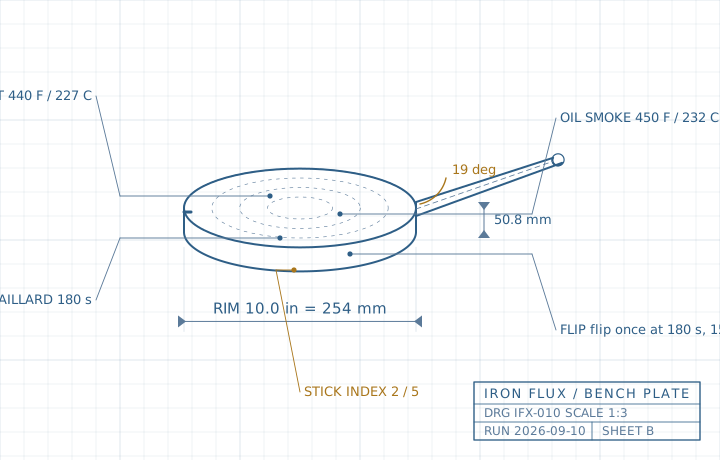
01Abstract
Eight boneless chicken thighs, dredged in cornstarch and seasoned flour, were shallow fried in a 10 in skillet at 175 °C oil temperature. Two runs used 12 mm of peanut oil and two used 5 mm. Oil temperature was logged at the start of each batch and 60 seconds after the batch went in. The 12 mm layer dropped 18 °C on the first batch and recovered in 3 min 20 s; the 5 mm layer dropped 31 °C and needed 5 min 40 s, which tripped the crust before the meat was cooked.
02Variables
Independent
- Oil depth: 12 mm or 5 mm in the same pan
- Batch size: two thighs or four thighs per batch
Held constant
- Chicken: boneless skinless thigh, 120 g each, 20 min in a 2% salt brine, patted dry, cornstarch-flour dredge
- Pan: 10 in bare cast iron, 5 min preheat to 195 °C surface before the oil went in
- Oil: peanut, 450 °F smoke point, temperature 175 °C at the start of every batch
- Thermometer clipped to the pan wall, bulb 10 mm above the iron
- Fry 3 min first side, 2 min 30 s second side, drain on a rack
Hypothesis A 12 mm oil layer in a 10 in skillet recovers temperature faster between batches than a 5 mm layer, at the cost of more oil and more cleanup.
03Process
- Preheat the empty pan 5 minutes, then pour in the peanut oil to the chosen depth and let it come to 175 °C, measured with a clip-on thermometer.
- Dredge the thighs and shake off the excess; a thick coat will drop the oil temperature further than the meat itself.
- Lower two or four thighs in with tongs, laying them away from you so the oil does not splash back.
- Do not move them for 3 minutes; the dredge sets in the first 40 seconds and moving it early causes the coating to slide off.
- Flip once, cook 2 min 30 s, then drain on a rack and log the oil temperature 60 seconds after the batch went in.
04Observations
- 12 mm depth, two thighs: oil fell from 175 °C to 157 °C, recovered to 175 °C in 3 min 20 s; crust was even amber and the meat read 74 °C.
- 12 mm depth, four thighs: fell to 148 °C, recovered in 4 min 50 s; still acceptable but the second batch took 40 s longer per side.
- 5 mm depth, two thighs: fell to 144 °C, recovered in 5 min 40 s; the crust browned fully before the meat passed 68 °C.
- At 5 mm the oil also foamed higher and crept up the pan wall, leaving a ring of burnt starch that took a scraper to remove.
- Straining the oil through a fine sieve after two batches removed enough flour sediment to stop the oil darkening by the fourth batch.
Instrument log
| Depth | Batch | Drop | Recovery | Crust vs meat |
|---|---|---|---|---|
| 12 mm | 2 thighs | 175 → 157 °C | 3 min 20 s | even, meat 74 °C |
| 12 mm | 4 thighs | 175 → 148 °C | 4 min 50 s | even, meat 72 °C |
| 5 mm | 2 thighs | 175 → 144 °C | 5 min 40 s | dark crust, meat 68 °C |
| 5 mm | 4 thighs | 175 → 132 °C | 7 min 10 s | pale, greasy, meat 71 °C |
05Conclusion
Twelve millimetres of oil in a 10 in skillet is the depth that keeps a cast-iron shallow fry predictable: the drop per batch stays under 30 °C and recovery fits inside the time you spend dredging the next batch. Five millimetres is workable for two pieces only, and it needs a lower oil temperature at the start, around 165 °C, or the crust finishes before the chicken does. Strain the oil between batches; flour sediment is what turns the coating dark and eventually bitter.
Terms used
- Smoke point — The temperature at which a fat breaks down visibly and starts giving off acrid volatiles. Refined oils sit higher (rice bran…
- Heat capacity — How much heat a pan stores. Cast iron stores far more per litre than aluminium, so it holds temperature when food goes in, but it…
- Fond — The browned protein and sugar layer that sticks to the pan during a sear. It is flavour, and it is meant to be dissolved back…